
The Hidden Cost of Clutter
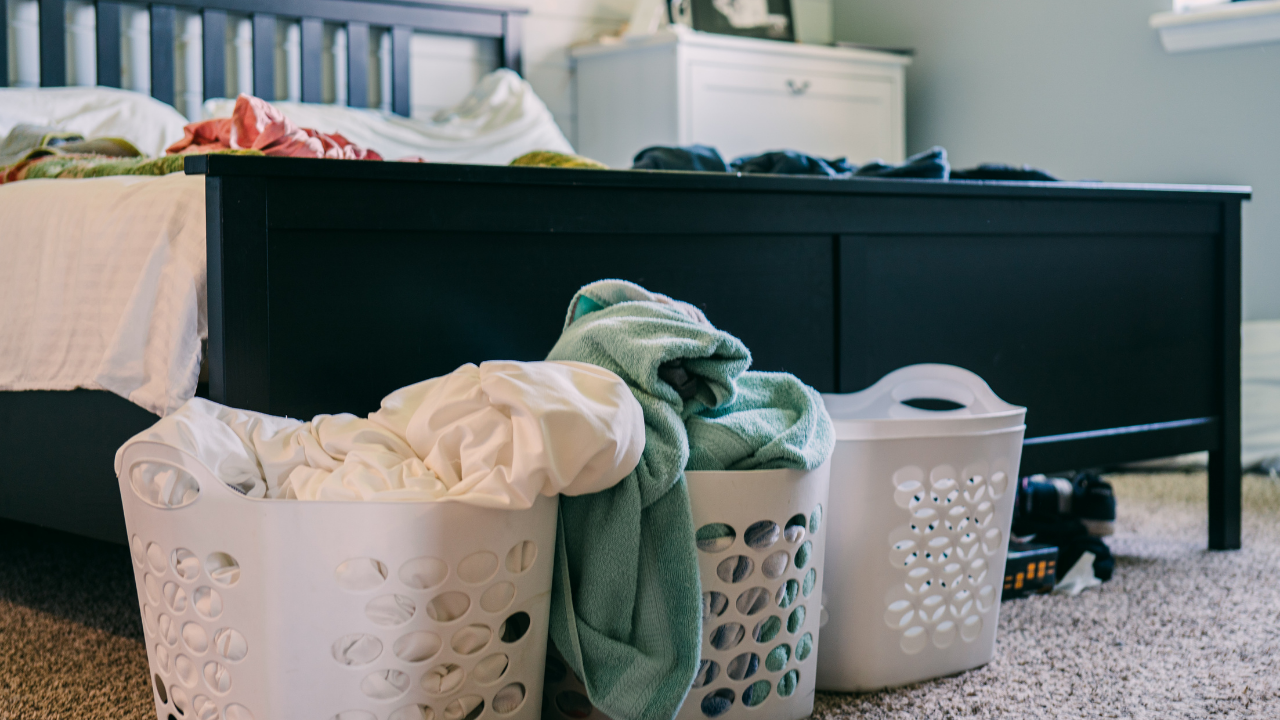
Most people think of clutter as a housekeeping problem.
A pile of shoes by the door.
Countertops that never seem to stay clear.
A closet that's difficult to open without something falling out.
But clutter is often more than just a visual issue.
It can create frustration, increase stress, and make everyday tasks feel harder than they need to be.
Over time, those small frustrations add up.
Why Clutter Feels So Draining
Have you ever walked into a room and immediately felt overwhelmed?
You're not imagining it.
Our brains are constantly processing information from our surroundings.
When every surface is crowded and every space feels full, it can create a sense of mental overload.
Many people don't realize how much energy they spend managing their environment until it becomes easier.
Clutter Creates Friction
One of the ideas we talk about often is friction.
Not physical friction. Daily-life friction.
The extra steps, frustrations, and inconveniences that make routines harder.
You can't find what you need.
The kids don't have a place to put their backpacks.
The pantry is overflowing.
Everyone drops their shoes in the same spot because there isn't another logical place for them to go.
Individually, these seem like small issues.
But when they happen every day, they begin to affect how a home functions.
Sometimes It Isn't About Having Too Much Stuff
One of the biggest misconceptions is that clutter always means someone owns too much.
Sometimes that's true.
But often the real issue is a lack of functional storage.
The home simply wasn't designed for the way the family lives today.
Families grow.
Needs change.
Activities increase.
Work-from-home spaces appear.
The house stays the same.
What once worked no longer does.
The Connection Between Organization and Well-Being
As someone with a background in healthcare and lifestyle medicine, I've seen how our environment can influence how we feel.
When a home functions well, daily routines often feel easier.
There is less searching.
Less frustration.
Less visual noise competing for attention.
A well-organized home doesn't create a perfect life.
But it can remove some of the unnecessary stress that builds up over time.
Design Can Help
When people think about remodeling, they often focus on finishes.
Cabinets
Countertops
Paint colors
But sometimes the most impactful improvements aren't the most visible
Additional storage
Better flow between rooms
A mudroom that actually works
Built-ins that reduce clutter
Spaces designed around real-life routines
These are often the changes that homeowners appreciate most years later.
Final Thoughts
Clutter isn't really about stuff.
It's about how a home supports the people living in it.
When a home functions well, life tends to feel a little easier.
A little calmer
A little less chaotic
And sometimes that's exactly what a family needs.
Thinking About Improving How Your Home Functions?
If you're constantly fighting clutter, it may be worth looking beyond the piles and asking a different question:
Is the problem really the stuff—or is it the space?
Sometimes a few thoughtful changes can make a bigger difference than you might expect.
Build well. Live better.
Tatro Building & Remodeling
About the Author
Dr. Nicole Tatro, DPT, is co-owner of Tatro Building & Remodeling. She combines her background in healthcare, lifestyle medicine, and residential design to help families create homes that support health, function, and everyday living.