
What's in the Air You Breathe Every Day?
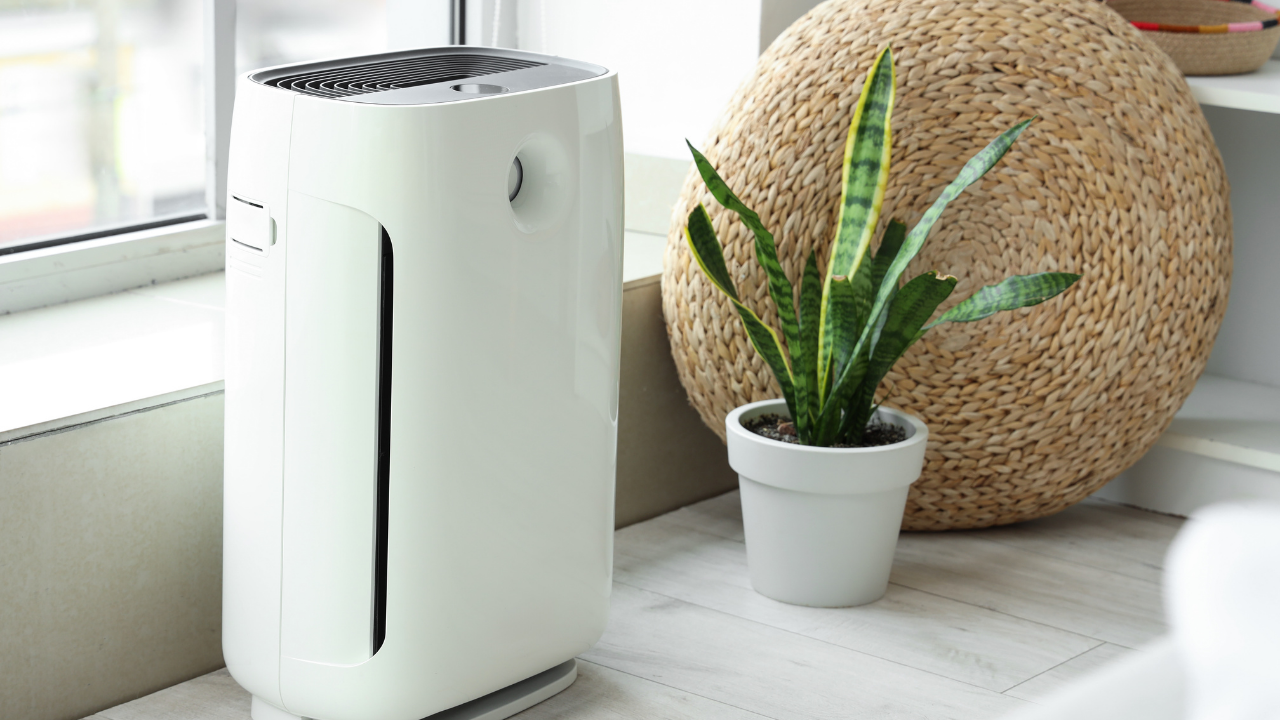
When people think about creating a healthier home, they often focus on things they can see.
A cleaner kitchen
Less clutter
Better organization
Updated finishes
But one of the most important parts of a home is something we rarely think about at all.
The Air
Every day, we spend hours inside our homes sleeping, cooking, working, relaxing, and spending time with family.
The quality of the air in those spaces plays a bigger role in comfort and well-being than many people realize.
We Spend More Time Indoors Than Ever
Most people are surprised to learn how much time they spend indoors.
Work
School
Sleep
Meals
Family time
Especially in colder climates and during winter months, a significant portion of life happens inside.
That's why indoor environments matter.
The spaces we spend the most time in have the greatest opportunity to support—or challenge—our overall comfort.
What Impacts Indoor Air Quality?
There isn't one single factor.
Indoor air quality is influenced by many things, including:
Ventilation
Humidity levels
Dust accumulation
Pet dander
Cooking fumes
Cleaning products
Building materials
Air filtration systems
Even everyday activities like cooking dinner or taking a shower can affect the air inside a home.
The Role of Ventilation
One of the most important factors is proper ventilation.
Homes today are often built to be more energy efficient than ever before.
That's a good thing.
But tighter homes can also trap moisture, odors, and airborne particles if ventilation isn't considered.
Simple things like:
Bathroom exhaust fans
Kitchen range hoods
Proper airflow throughout the home
Fresh air exchange
can make a meaningful difference!
Humidity Matters Too
Humidity is something many homeowners don't think about until there is a problem.
Too much moisture can contribute to:
Condensation
Musty odors
Mold growth
Damage to materials over time
Too little humidity can make a home feel uncomfortable as well.
The goal is balance
A Healthy Home Doesn't Have to Be Complicated
The good news is that improving indoor air quality doesn't always require major renovations.
Sometimes small improvements can help:
Replacing air filters regularly
Using kitchen ventilation when cooking
Running bathroom fans after showers
Keeping HVAC systems maintained
Managing humidity levels
Being intentional about airflow
These simple habits can contribute to a healthier and more comfortable environment.
How Remodeling Can Help
When homeowners remodel, they often focus on aesthetics first.
But remodeling can also create opportunities to improve how a home functions behind the scenes.
Better ventilation
Updated windows
Improved airflow
More effective use of natural light
Thoughtful material selections
These are the kinds of improvements that homeowners may not always see immediately, but often appreciate for years to come.
Final Thoughts
A healthy home is about more than how it looks.
It's about how it supports the people living inside it.
Indoor air quality is one piece of that bigger picture.
While it may not be the most exciting part of a remodeling project, it can have a meaningful impact on comfort, daily living, and overall well-being.
Thinking About Improving Your Home?
Whether you're planning a remodel or simply looking for ways to improve how your home functions, it can be helpful to think beyond finishes and fixtures.
Sometimes the most valuable improvements are the ones working quietly in the background.
Build well. Live better.
Tatro Building & Remodeling
About the Author
Dr. Nicole Tatro, DPT, is co-owner of Tatro Building & Remodeling. She combines her background in healthcare, lifestyle medicine, and residential design to help families create homes that support health, function, and everyday living.