
Is Your Home Helping or Hurting Your Well-Being?
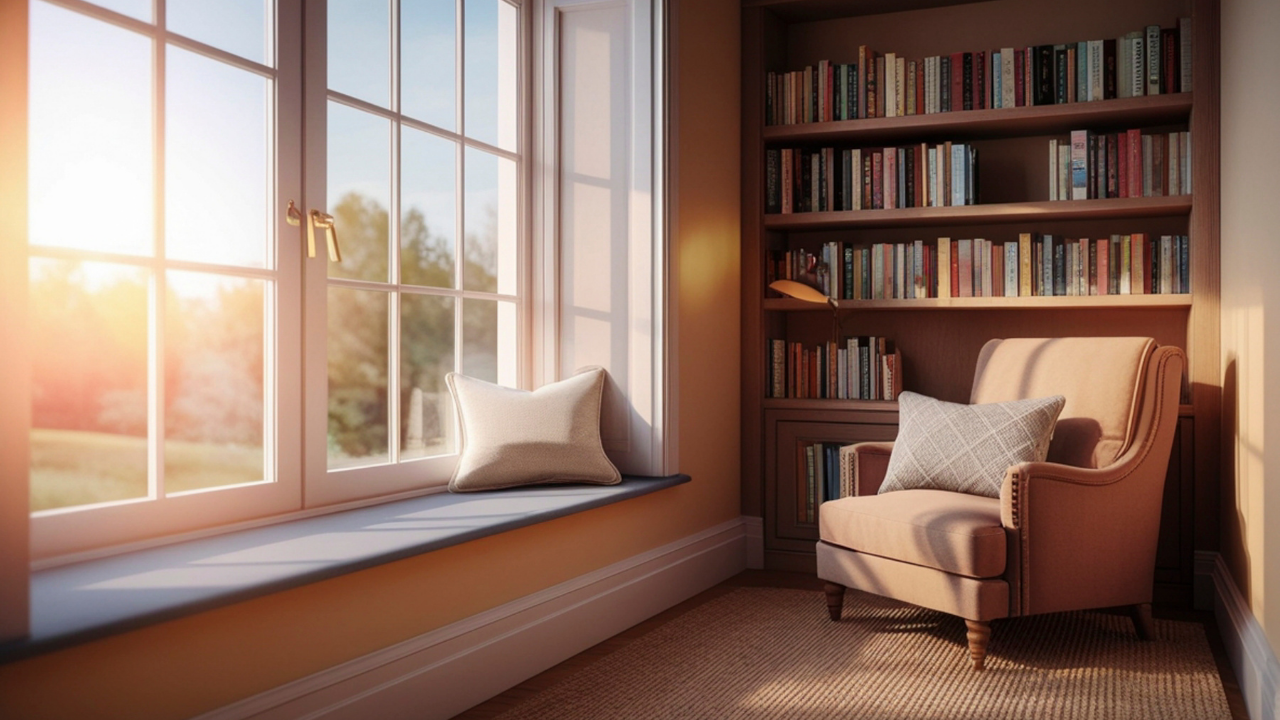
When most people think about improving their health, they think about eating better, exercising more, drinking enough water, or getting more sleep.
Those things absolutely matter.
But there is another factor that often gets overlooked.
The environment we live in every day.
As someone with a background in physical therapy and lifestyle medicine, I've spent years helping people improve their health and quality of life.
What I've learned is that our environment influences us more than we often realize.
And one of the environments we spend the most time in is our home.
Your Home Shapes Your Daily Habits
Think about your average day.
You wake up at home
You prepare meals at home
You unwind at home
You spend time with family at home
Your home influences hundreds of small decisions and habits every single day.
The easier those habits are to maintain, the more likely they are to happen.
The harder they become, the more friction they create.
Stress Doesn't Always Come From Big Things
When people talk about stress, they often think about major life events.
But many of the stressors we experience are much smaller.
They're the frustrations that happen over and over again.
The crowded entryway
The kitchen that never seems organized
The lack of storage
The room that no longer serves its purpose
The constant feeling that there isn't enough space for everything and everyone
None of these issues are major on their own.
But repeated every day, they begin to take a toll.
The Science of Our Environment
Researchers have spent years studying how our surroundings affect our mood, focus, stress levels, and overall well-being.
Natural light has been associated with improved mood and productivity
Access to organized spaces can help reduce feelings of overwhelm
Noise levels can influence concentration and stress
Comfortable, functional environments often support healthier daily routines
Our homes may not determine our health, but they certainly influence it.
A Home Should Support the Life You Want to Live
One of the questions we often ask homeowners is:
What isn't working?
Rarely does the answer begin with countertops or flooring.
Instead, we hear things like:
"I'm tired of feeling crowded"
"We're always tripping over each other"
"There just isn't a place for everything"
"We need a better way to live in this space"
Those answers tell us much more than a wish list ever could.
Because they're really talking about how life feels inside the home.
Remodeling Is About More Than Looks
Beautiful spaces matter.
But beautiful spaces that don't function well often create frustration.
The most successful projects usually improve both.
They create better flow
Reduce daily friction
Support routines
Make life easier
And often, those improvements have a much bigger impact than homeowners expected.
Final Thoughts
A healthy home isn't about perfection.
It's not about having the newest finishes or the biggest rooms.
It's about creating an environment that supports the people living inside it.
One that helps daily life feel a little easier
A little calmer
A little more enjoyable
Because when your home supports your well-being, the benefits extend far beyond the walls themselves.
Thinking About a Change?
If there is an area of your home that consistently feels frustrating, overwhelming, or difficult to use, it may be worth exploring why.
Sometimes the solution isn't more space.
Sometimes it's creating a home that better supports the life you're already living.
Build well. Live better.
Tatro Building & Remodeling
About the Author
Dr. Nicole Tatro, DPT, is co-owner of Tatro Building & Remodeling. She combines her background in healthcare, lifestyle medicine, and residential design to help families create homes that support health, function, and everyday living.